
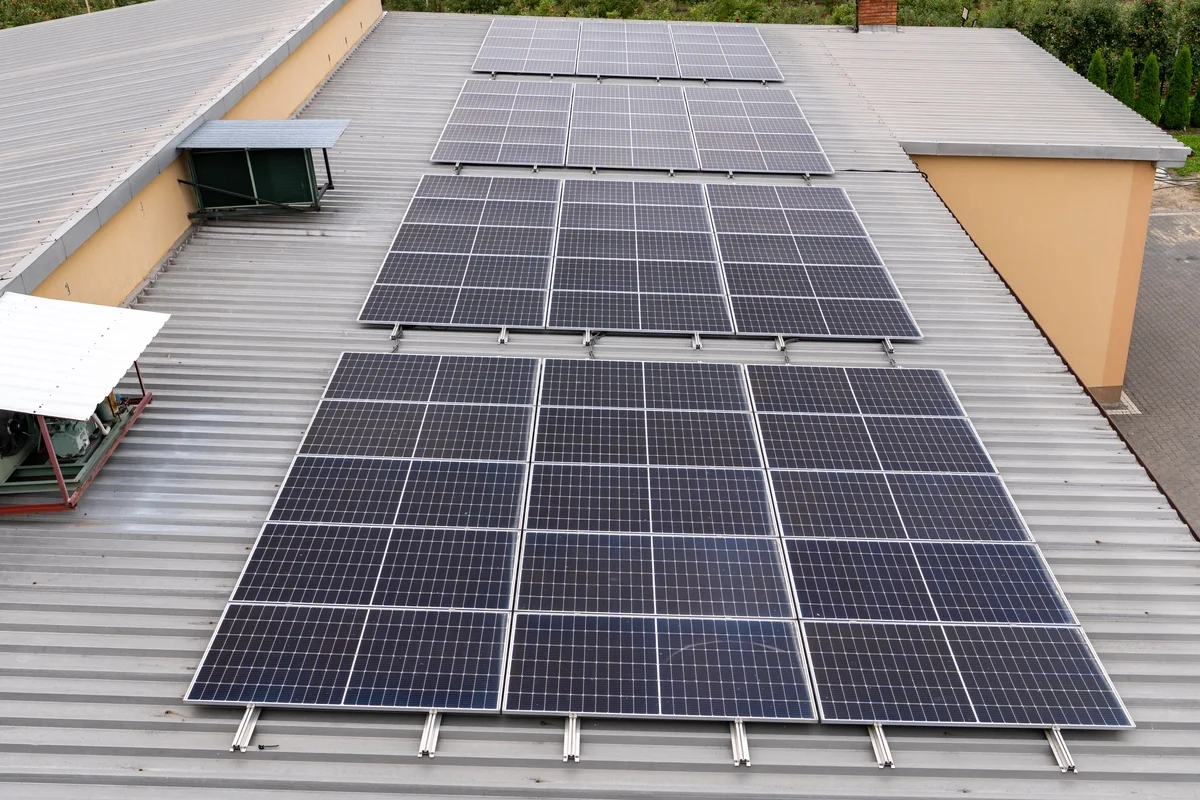
YOUR OWN POWER STATION
Custom-designed off-grid solar and battery systems for Gold Coast homes, rural properties, sheds, and cabins. Generate, store, and use your own electricity — completely independent of the grid.
A COMPLETE POWER SYSTEM THAT RUNS WITHOUT THE GRID
An off-grid solar system generates, stores, and delivers all the electricity your property needs — with zero connection to the power grid. There's no electricity retailer, no quarterly bill, and no vulnerability to grid outages. You produce your own power, store it in a battery bank, and use it on your terms.
It's the same technology used in standard rooftop solar, but scaled up with significantly more battery storage and a backup generator to ensure you're never without power — even through extended cloudy weather or unusually high demand.
HOW IT WORKS
Solar Panels
Your panels convert sunlight into electricity during the day. Off-grid systems are typically sized larger than grid-connected systems to ensure enough generation to both power your home and fully recharge your batteries — even during shorter winter days. On the Gold Coast, with an average of 4.8 peak sun hours daily, solar production is strong year-round.
Battery Bank
The battery bank is the backbone of any off-grid system. It stores excess solar energy generated during the day so you can use it at night, on cloudy days, and during periods of high demand. Off-grid batteries are sized for autonomy — typically two to three days of stored energy — so your system keeps running even when the sun doesn't cooperate. Modern lithium iron phosphate (LFP) batteries are the standard: long-lasting, efficient, and low maintenance.
Off-Grid Inverter / Charger
The inverter converts stored battery power (DC) into the usable electricity (AC) your home runs on. In an off-grid system, the inverter also manages the flow of energy between your panels, batteries, and backup generator — prioritising solar, drawing from the battery when needed, and signalling the generator to start if levels drop too low. It's the brain of the system.
Backup Generator
A diesel or LPG generator provides a safety net for extended periods of low solar production — think multiple overcast days in a row during storm season. In a well-designed system on the Gold Coast, the generator may only run a handful of hours per year. It starts automatically when battery levels reach a set threshold and shuts off once the bank is recharged. You're never without power.
The key difference between off-grid and grid-connected solar: A standard grid-tied system sends excess solar to the grid and draws power back at night.
If the grid goes down, your solar shuts off. An off-grid system has no grid connection at all — your battery bank and generator handle everything. You are your own power company.
Two Ways to Take Control of Your Power
Most suburban Gold Coast homes are better suited to a hybrid system. Off-grid is the right choice when the grid isn't available, isn't reliable, or costs more to connect than the system itself.
| Off-Grid Fully independent | Hybrid Most Homes Grid as backup | |
|---|---|---|
| Grid Connection | None — fully independent | Connected — grid acts as safety net |
| How It Works | Solar + large battery bank + backup generator | Solar + battery + grid |
| Battery Size | 20–60+ kWh 2–3 days autonomy |
5–20 kWh Evening coverage |
| Backup Generator | Required for extended cloudy periods | Not needed — grid handles any shortfall |
| Electricity Bills | $0 — no retailer, no bills | 70–80% less than grid-only |
| Upfront Cost | $25,000–$80,000+ | $12,000–$30,000 |
| System Complexity | Higher — careful design and sizing required | Lower — simpler install and management |
| Rebates | STCs + Cheaper Home Batteries Program | STCs + Cheaper Home Batteries Program |
| Best For |
It depends on your location, grid access, energy usage, and goals. We'll assess your situation and recommend whichever system delivers the best outcome. No bias, no upsell.
Book Your Free QuoteREBATES & INCENTIVES
Going off-grid is an investment in your independence, but that doesn’t mean you have to shoulder the full cost alone. There are substantial government incentives and smart financing options available to significantly reduce your upfront outlay.
Small-scale Technology Certificates (STCs)
You are likely eligible for an upfront discount through the Federal Government’s STC scheme. These certificates are generated based on the expected power generation of your solar system over a roughly 10-year period.
HOW IT WORKS
We calculate the value of the certificates your system will generate and deduct this amount directly from your quote. This means you get an immediate point-of-sale discount without the paperwork headache.
Cheaper Home Batteries Program
To help Australian households access reliable energy storage, the Federal Government is introducing the Cheaper Home Batteries program.
THE BENEFIT
You could be eligible for a rebate of up to 30% off the cost of your battery installation.
ELIGIBILITY
This rebate applies to battery banks for off-grid systems, making it more affordable than ever to secure your power supply day and night.
Green Loans
We partner with leading green lenders to offer flexible payment plans.
OFF-GRID APPROVED
Unlike some standard personal loans, our Green Loan partners specifically finance off-grid solar and battery systems.
CASHFLOW FRIENDLY
Your repayments can be structured to replace what you would otherwise be paying in grid connection fees and power bills.
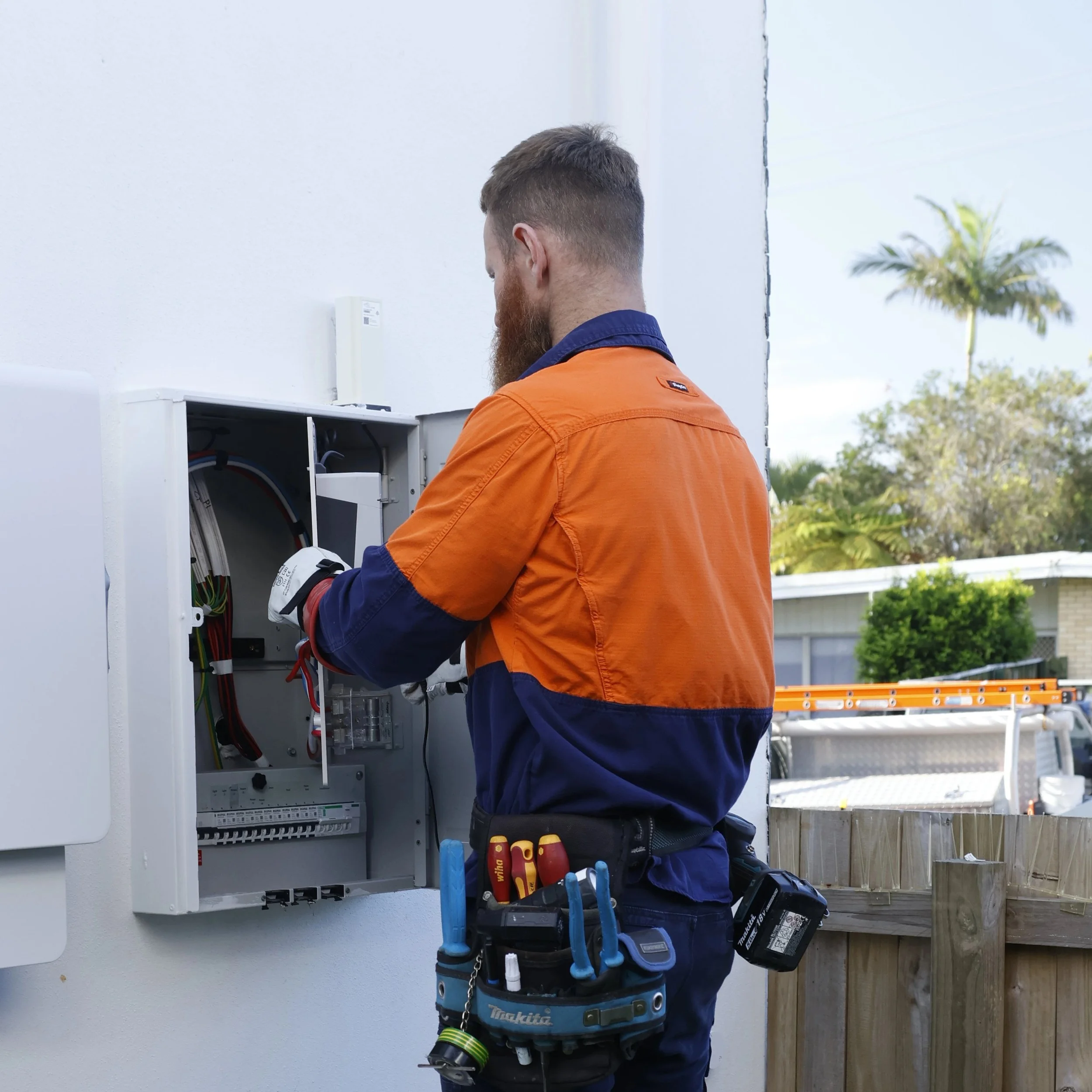
WHY CHOOSE EVOLVED SOLAR FOR OFF-GRID?
Going off-grid is a significant commitment. You need a system that works every time you flick a switch, regardless of the weather. We don’t just sell solar packages; we engineer reliable, standalone power solutions designed specifically for your lifestyle and location.
- Custom-Engineered, Not Cookie-Cutter
- Gold Coast Locals Who Know the Conditions
- CEC-Accredited Off-Grid Specialists
- Premium Components & Long Warranties
- We Don’t Just Install and Leave
FREQUENTLY ASKED QUESTIONS
-
For a reliable family-sized system that allows you to live normally, you’re typically looking between $30,000 and $100,000. This price range ensures you have enough battery storage and solar capacity to get through our storm seasons without constantly running a generator. Smaller "weekender" or cabin systems can start from around $20,000.
-
Technically, yes, but it’s rarely the best financial move if you are already connected to the grid. To go fully off-grid in suburbia, you must pay Energex to physically "abolish" your supply. Because you lose the grid as a safety net, you need a much larger (and more expensive) battery system than a standard solar home. For most suburban homes, a hybrid system (grid-connected with battery) is far more cost-effective.
-
This is where system design is critical. We size your battery bank to provide 2–4 days without decent sunshine. For weather events longer than that, we integrate a backup generator. If your batteries get low, the generator kicks in automatically to top them up and keep your lights on.
-
For a full-time residence, yes. While we design systems to run 95-99% on solar, a generator is your insurance policy for that one week of torrential rain in February. It prevents blackouts and protects your batteries from being drained too deeply, which extends their lifespan.
-
Yes. You still get the STC upfront discount on your solar panels, which can save thousands off the purchase price. Plus, from July 2025, off-grid systems are eligible for the new Cheaper Home Batteries program, offering up to a roughly 30% rebate on the battery component of your system.
-
Off-grid means you have cut the power lines completely; you are your own power station and have no electricity bills, but you are responsible for your own reliability. Hybrid means you have solar and batteries but keep the grid connected as a backup. Hybrid is cheaper to install because you don't need to store weeks' worth of power—you just draw from the grid if your battery runs flat.
-
Solar panels are built to perform for 25+ years. Modern Lithium-ion batteries (like the ones we use) generally last 10–15 years depending on usage, while high-quality off-grid inverters typically last 10–15 years. We design systems with modular components, so you can replace individual parts in the future without redoing the whole system.