
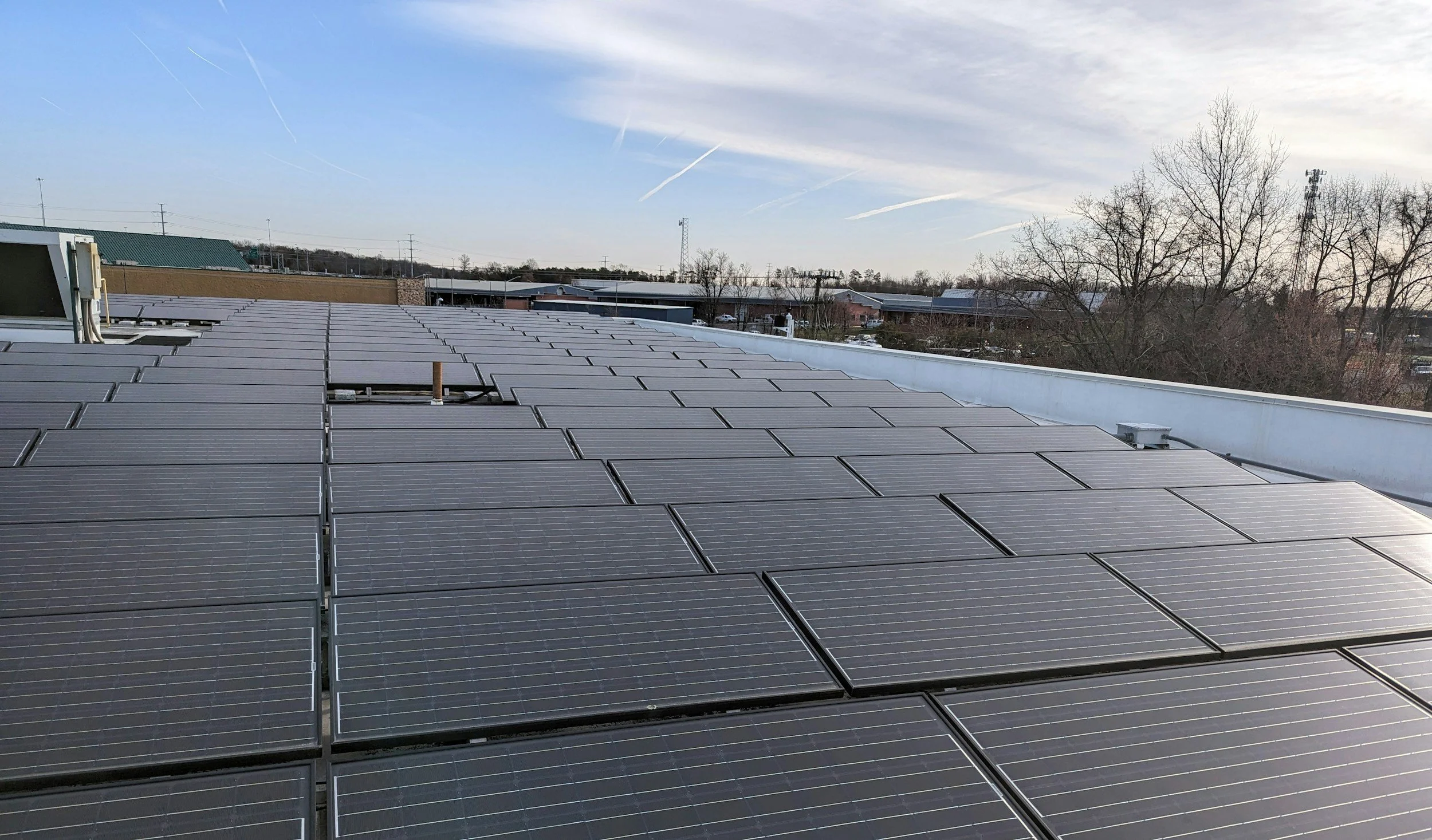
Solar Battery & Hybrid Systems on the Gold Coast
Generate, store and intelligently use your own energy.
Solar battery installation on the Gold Coast lets you do what panels alone can't — keep the power you generate and use it on your terms. Our hybrid solar and battery systems store your excess daytime solar so your home runs on it after dark, while the grid stays connected as your backup.
Designed for Gold Coast families who want greater energy independence without fully disconnecting, these systems maximise solar self-consumption, cut your reliance on rising electricity prices, and deliver seamless backup power during outages. Every system is designed and installed by our own SAA-accredited, Master Electrician-led team — never subcontracted.
SOLAR BATTERY INSTALLATION ON THE GOLD COAST
Whether you're adding a battery to an existing solar system or installing a complete hybrid setup, we design around your household — your roof, your usage and your budget. As licensed Master Electricians, we handle the panels, the battery, the inverter and every associated electrical connection in-house, so nothing is subcontracted to a third party.
We install solar batteries across the Gold Coast and its suburbs — Burleigh Heads, Palm Beach, Robina, Southport, Mermaid Waters and beyond — as well as the Northern Rivers. Each install is fully compliant, correctly sized and built to make the most of the 2026 battery rebate.
Two common starting points:
New solar and battery together: a complete hybrid system sized to run your home day and night.
Battery retrofit: adding storage to solar you already own, so you stop exporting your best energy for a few cents.
Not sure which suits your situation? We'll assess your current setup and give you an honest recommendation — no pressure to over-spend on capacity you won't use.
WHY GOLD COAST HOMES ARE GOING HYBRID
The Gold Coast is one of the best places in Australia to go solar — but panels alone only tell half the story. A hybrid system pairs your panels with battery storage so you're not just generating free power — you're keeping it, using it on your terms, and staying protected when the grid goes down.
Use Your Solar After Dark
Gold Coast households use the most electricity in the evenings — right when your panels have stopped producing and grid rates are at their peak. Without a battery, your cheap daytime solar gets exported for a few cents, and you buy it back at night for five to six times the price.
A hybrid system stores that excess solar and feeds it back to your home when it matters most. With SE Queensland electricity prices rising again in 2025–26, every kilowatt-hour you store instead of buy is worth more this year than last.
Keep the Lights On When the Grid Goes Down
In March 2025, Cyclone Alfred left over 112,000 Gold Coast properties without power — some for up to a week. It was the largest power loss from a natural disaster in Queensland's history.
Standard solar systems shut down during a blackout. A hybrid system automatically switches to battery power — keeping your fridge, lights, WiFi and essentials running while you wait for the grid to come back. If the sun's out the next day, your panels recharge the battery and you keep going.
Make the Most of 300 Sunny Days
The Gold Coast averages around 300 days of sunshine a year, yet most homes export 50–70% of the solar they generate because nobody's home to use it during the day. That exported energy earns a feed-in tariff that's dropping — down 30% for 2025–26 to just 8.69c/kWh in regional QLD.
A hybrid system flips this. Store your excess solar, self-consume it later, and stop giving away your best energy for next to nothing.
Future-Proof Your Home
Heat pumps. EV chargers. Induction cooktops. Australian homes are electrifying fast, and each upgrade adds to your power demand. A hybrid inverter is built to scale — supporting battery expansion, EV integration, and smart energy management as your needs grow over the next 10–15 years.
And with the federal Cheaper Home Batteries Program offering up to 30% off eligible battery installations from July 2025, the timing has never been better.
Energy Independence — With a Safety Net
Going fully off-grid is expensive and means you're entirely responsible for your own power supply. A hybrid system gives you the freedom of energy independence with the grid as your backup. Generate, store, and use your own power — and if your battery runs flat overnight, the grid seamlessly takes over.
All the freedom. None of the risk.
Ready to see what a hybrid system could save you? Every Gold Coast home is different. We'll assess your usage, roof, and budget to design a system tailored to your household. Not sure if a battery is right for your situation? Read our honest breakdown.
THE SOLAR BATTERIES WE INSTALL
We only fit Tier 1 lithium batteries with a proven track record on the Gold Coast — brands like Tesla Powerwall, Sigenergy and Sungrow. We deliberately avoid budget batteries that degrade quickly or cut corners on safety.
The right battery depends on how much power you use in the evenings and whether blackout backup is a priority. As a guide, most Gold Coast households land on 10–13 kWh of usable storage — enough to cover the evening peak and overnight, with panels recharging it the next day. We'll size yours properly rather than selling you the biggest box on the shelf.
FREQUENTLY ASKED QUESTIONS
-
A hybrid system is the middle ground between a standard solar system and going fully off-grid. It keeps you connected to the main electricity grid but adds a battery to store your excess daytime solar power for use at night. If your battery runs flat, the grid automatically kicks in so you never lose power. It gives you the savings of solar storage with the safety net of the grid.
-
Only if your system is specifically designed for it. Standard solar inverters automatically shut down during a blackout for safety reasons. To keep your lights and fridge running during a storm, we install a hybrid inverter with "island mode" or a specific backup circuit. If blackout protection is a priority for you (especially during Gold Coast storm season), let us know so we can specify the right hardware.
-
Yes, absolutely. This is called "retrofitting." Depending on your current inverter, we can either AC-couple a battery directly to your house wiring, or we might recommend upgrading your old inverter to a modern hybrid unit to handle both the solar and the battery more efficiently.
-
Yes. While the solar panel component still qualifies for the federal STC "rebate" (an upfront discount), the exciting news is the Cheaper Home Batteries program. This federal initiative offers up to a ~30% rebate on the cost of eligible battery installations. We can help you plan your installation to make the most of these incentives.
-
A battery retrofit to an existing system typically runs $8,000–$14,000, and a complete hybrid system (panels, hybrid inverter and battery) for an average family home usually sits between $16,000–$25,000.
The 2026 Cheaper Home Batteries rebate takes a meaningful chunk off eligible battery installs — we'll factor it into your quote.
-
Most Gold Coast households do well on a single 10–13 kWh battery, which covers the evening peak and overnight use.
Larger homes, or those wanting full blackout backup, may go higher. We size your battery to your actual evening consumption so you're not paying for capacity you'll never cycle.
-
Most modern Lithium-ion batteries (like Tesla, Sigenergy, or Sungrow) come with a 10-year warranty. In reality, they will continue to work well beyond that, just with slightly reduced capacity—similar to how a phone battery holds a little less charge after a few years. We only install Tier 1 brands with proven longevity.
-
If you have access to the grid, Hybrid is almost always the better financial choice. Going fully off-grid requires a massive investment in battery capacity to survive weeks of bad weather. Hybrid allows you to install a smaller, more affordable battery for daily savings, while using the grid as a cheap backup for those rare rainy weeks. Learn more about Off-Grid here.